
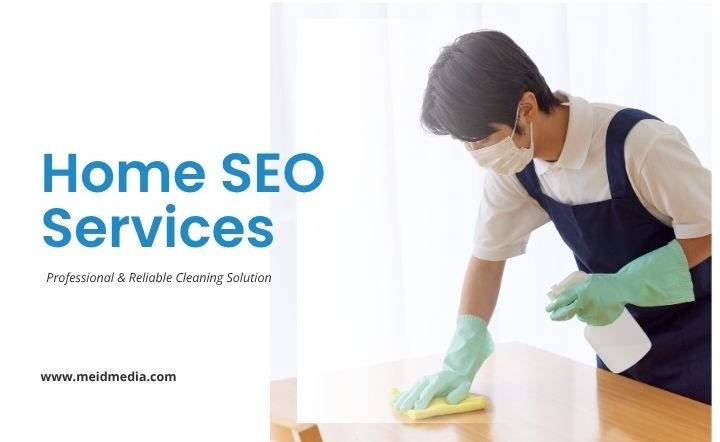
When someone needs a plumber to fix a leaking pipe, an electrician to repair faulty wiring, or a roofing contractor after a storm, they often search online before contacting a business. If your company does not appear in relevant search results, potential customers may choose a competitor instead.
This is where Home Services SEO becomes important. It helps home service businesses improve their visibility on search engines, connect with people looking for their services, and generate more relevant enquiries through their websites.
Whether you run a small plumbing company, an HVAC business, a cleaning service, or a home improvement company, a well-planned SEO strategy can help you reach customers in the areas you serve. This guide explains how home services SEO works and which steps businesses can take to improve their online presence.
What Is Home Services SEO?
Home Services SEO is the process of optimizing a home service business’s website and online presence to improve its visibility in organic search results. It focuses on helping search engines understand your services, service locations, business information, and the questions your potential customers want answered.
Unlike general SEO, home services SEO often has a strong local focus because customers usually need providers who can visit their homes or serve their neighborhoods.
Common businesses that benefit from this strategy include:
- Plumbing and drain cleaning companies
- HVAC repair and installation businesses
- Roofing contractors
- Electrical service providers
- House cleaning and maid services
- Pest control companies
- Landscaping and lawn care businesses
- Painting and home renovation contractors
- Garage door repair companies
The main objective is not simply to increase website traffic. It is to attract relevant visitors who are more likely to request an estimate, schedule a service, or contact your business.
Why Is SEO Important for Home Service Businesses?
Home service customers often search when they have an immediate problem or are planning a repair or improvement project. Appearing in relevant search results helps your business become visible when those customers are looking for solutions.
Here are some important benefits of investing in home services SEO.
1. Reach Customers in Your Service Area
Local SEO helps your business appear for searches related to the cities, towns, and neighborhoods you genuinely serve. For example, a roofing contractor might target searches such as “roof repair in Dallas” or “roof replacement contractor near me.”
Your website should clearly explain the locations you cover without creating misleading location pages for places where you do not operate.
2. Generate More Relevant Leads
A visitor searching for “emergency plumber near me” has a different intent from someone reading a general article about plumbing maintenance. Service pages optimized for relevant searches can connect your business with people who are actively looking for help.
Clear phone numbers, enquiry forms, service details, and calls to action make it easier for visitors to take the next step.
3. Build Trust With Potential Customers
Homeowners want to know whether a service provider is reliable, experienced, and qualified. Detailed service descriptions, genuine customer reviews, real project photographs, relevant certifications, and transparent business information can help answer these concerns.
4. Build Long-Term Search Visibility
Paid advertising can bring traffic while campaigns are running. SEO focuses on improving your website’s organic visibility over time. Results are not immediate or guaranteed, but useful content, a technically sound website, and relevant local signals can support sustainable growth.
How to Build an Effective Home Services SEO Strategy
A successful strategy combines keyword research, website optimization, local SEO, helpful content, and regular performance analysis.
1. Conduct Home Services Keyword Research
Keyword research helps you understand how customers search for your services. Rather than targeting only broad phrases such as “plumbing services,” identify searches that reflect a specific service, location, or customer need.
Examples include:
| Keyword type | Example keyword | Search intent |
|---|---|---|
| Service-based | AC repair services | Find a specific service |
| Location-based | Plumber in Austin | Find a local provider |
| Urgent service | Emergency electrician near me | Get immediate assistance |
| Cost-related | Roof replacement cost | Research project pricing |
| Commercial investigation | Best HVAC company in Phoenix | Compare service providers |
Choose keywords that match the services you actually provide. Use them naturally in page titles, headings, service descriptions, and relevant supporting content.
Avoid creating several pages that target almost identical searches without offering a meaningful difference. Each important page should have a clear purpose.
2. Optimize Your Service Pages
Every major service should have a dedicated, useful page when there is enough information to justify one.
For example, an HVAC company might create separate pages for AC repair, heating installation, furnace maintenance, and heat pump services.
A well-optimized service page should include:
- A clear page title and main heading.
- A direct explanation of the service.
- Common problems the service addresses.
- Your service process and relevant qualifications.
- Genuine project examples or customer feedback where available.
- Service area information.
- Clear contact details and an enquiry option.
Answer practical customer questions instead of repeating the same keywords throughout the page. This makes the content more useful for visitors and gives search engines clearer information about the page.
3. Improve Your Google Business Profile
For eligible home service businesses, a Google Business Profile can support visibility in Google Maps and local search results.
Keep the profile accurate and up to date. Select the most relevant primary business category, add appropriate secondary categories, maintain correct contact information, and describe your services clearly.
If your business travels to customers rather than receiving them at a public location, configure it as a service-area business and hide your residential address when appropriate. Do not use a virtual office or an address where your business does not genuinely operate.
You should also request honest reviews from customers and respond professionally to both positive and negative feedback. Reviews can help people evaluate your business, although no review strategy guarantees higher rankings.
4. Create Useful Content for Homeowners
Helpful content can answer questions that customers ask before, during, and after a service.
For example, a plumbing business could publish articles about signs of a hidden water leak, common causes of low water pressure, and when a water heater may need professional attention.
Useful content ideas include:
- Repair versus replacement comparisons.
- Maintenance checklists for homeowners.
- Explanations of common service problems.
- Factors that affect project costs.
- Seasonal maintenance recommendations.
- Guidance on when professional assistance is necessary.
Keep advice accurate and safety-conscious. For electrical, gas, roofing, and other potentially hazardous work, explain when a qualified professional should be contacted rather than encouraging unsafe DIY repairs.
5. Make Your Website Mobile-Friendly
Many home service customers search from mobile devices. A slow or confusing website can make it difficult for them to contact your business, even if they find your page in search results.
Check that your website has:
- Fast-loading pages and appropriately compressed images.
- Readable text and clear headings.
- Easy-to-use navigation.
- Clickable phone numbers.
- Short, accessible enquiry forms.
- Secure HTTPS connections.
- Clear service and contact information.
Review Google’s Core Web Vitals and mobile usability issues where relevant. Technical improvements should support real users, not just produce a higher score in a testing tool.
6. Build Local Authority Through Relevant Links
Links from relevant, trustworthy websites can help people discover your business and provide useful context about its reputation.
Consider legitimate opportunities such as local business associations, industry organizations, community sponsorships, supplier directories, and partnerships with related businesses.
Keep business name, address, and phone information consistent wherever it is published. For service-area businesses that do not display a public address, make sure directory listings follow the platform’s rules.
Avoid buying large quantities of low-quality backlinks or participating in link schemes. These tactics can create search risks without delivering meaningful customers.
7. Strengthen Technical SEO
Technical SEO helps search engines discover, crawl, and understand your website.
Important checks include:
- Confirming that important service pages are accessible to search engines.
- Reviewing XML sitemaps and robots.txt rules.
- Fixing broken internal links and relevant 404 errors.
- Using appropriate canonical tags.
- Improving internal links between related services and articles.
- Adding valid structured data where it accurately describes the business.
- Checking duplicate or thin location pages.
LocalBusiness structured data can help communicate eligible business information, but it does not guarantee rich results or better rankings. All structured data must match the visible, accurate information on your website.
How to Measure Home Services SEO Performance
SEO should be evaluated through both search visibility and business outcomes. Rankings alone do not show whether your website is attracting the right customers.
| Metric | What it helps you understand | Useful tool |
|---|---|---|
| Organic clicks | Visitors arriving from search | Google Search Console |
| Search impressions | How often pages appear in results | Google Search Console |
| Keyword performance | Visibility for important searches | SEO rank-tracking tool |
| Website enquiries | Leads generated through forms or calls | Analytics and CRM |
| Conversion rate | Percentage of visitors who take action | Google Analytics 4 |
| Local profile interactions | Available calls, website clicks, and other actions | Google Business Profile performance |
Review performance monthly and compare similar time periods. Consider seasonality, service demand, website changes, and lead quality before deciding whether a strategy is working.
Frequently Asked Questions About Home Services SEO
1. What is Home Services SEO?
Home Services SEO is the process of improving a home service company’s organic search visibility through website optimization, relevant content, local SEO, technical improvements, and authority building. It helps potential customers find services such as plumbing, roofing, HVAC repair, cleaning, and electrical work.
2. How long does SEO take to work for a home service business?
SEO timelines vary according to competition, website condition, location, content quality, and the work completed. Some improvements may produce early visibility changes, while meaningful and consistent results often require several months of ongoing effort. No agency can reliably guarantee a specific ranking or deadline.
3. Is local SEO important for home service companies?
Yes. Local SEO is particularly useful when a business serves specific geographic areas. An accurate Google Business Profile, useful service pages, genuine customer reviews, and consistent business information can help customers find and evaluate eligible local providers.
4. Which keywords should a home service business target?
Start with keywords that combine your actual services with relevant customer needs and locations. Examples include “AC repair in Houston,” “roof inspection services,” and “emergency plumber near me.” Choose terms based on relevance, search intent, competition, and your ability to deliver the service.
Conclusion
Home Services SEO helps contractors and service providers improve their online visibility, reach relevant local customers, and create more opportunities for enquiries. The strongest strategies combine targeted keyword research, useful service pages, accurate local business information, mobile-friendly website design, trustworthy content, and ongoing performance measurement.
Start by improving the pages that represent your most important services, correcting technical issues, and making it easy for customers to contact your business. Then use real performance data to refine your approach.
1 thought on “Home Services SEO: A Practical Guide to Getting More Local Customers”